
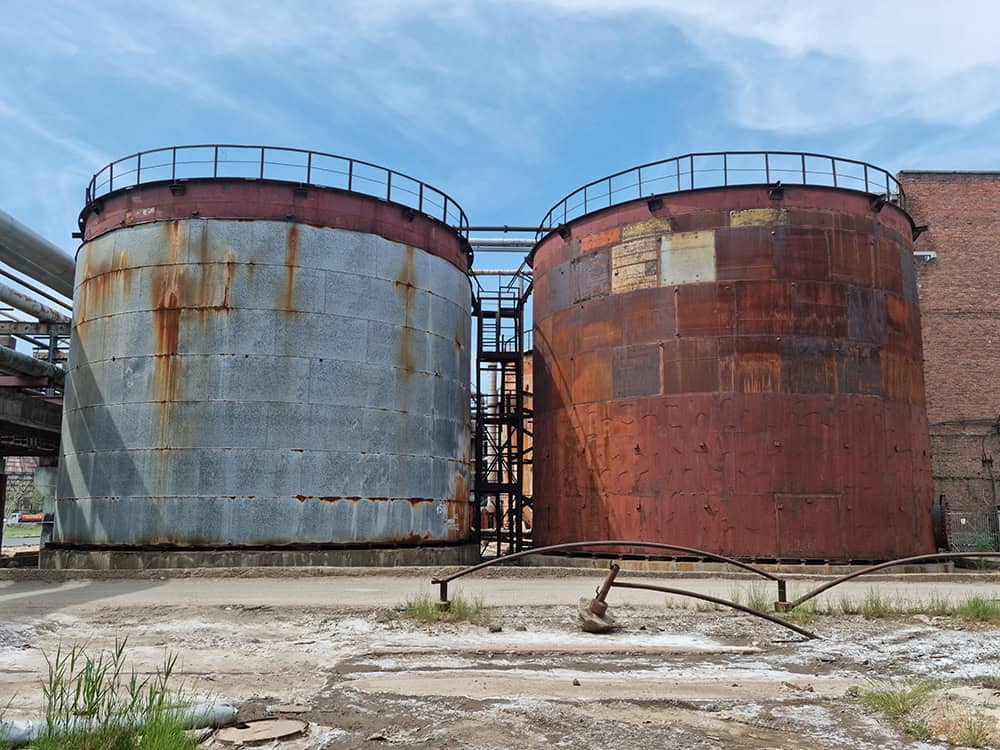
Out of Service Is Not the Same as Closed: Managing Legacy IHW Units in Texas
A tank may be empty. A storage area may no longer be used. A sump, pit, drying bed, or treatment unit may have been abandoned, repurposed, or physically removed.
From a regulatory standpoint, however, the industrial or hazardous waste (IHW) unit may not actually be closed.
Legacy waste management units can remain listed as active on a facility’s Texas Notice of Registration (NOR) long after operations, equipment, and personnel have changed. These unresolved units may not receive attention until they surface during a TCEQ inspection, an environmental audit, a property transaction, a demolition project, a facility shutdown, or an environmental due diligence review.
Addressing legacy units proactively gives a facility greater control over the schedule, scope, cost, and regulatory approach to IHW unit closure.
Empty, Removed, and Closed Are Not the Same
Removing waste or taking a unit out of service may be part of the closure process, but those actions do not necessarily complete regulatory closure. Physically removing a tank, concrete pad, sump, piping, or containment system also does not automatically remove the unit from the facility’s regulatory record.
Depending on the unit’s construction, operating history, and the wastes previously managed, closure activities may include:
- Reviewing historical waste, operating, and maintenance records
- Removing and properly managing remaining waste and residues
- Cleaning or decontaminating tanks, equipment, piping, concrete, and containment systems
- Evaluating the unit for evidence of leaks or releases
- Sampling soil, concrete, sediment, or other potentially affected media
- Characterizing and managing wastes generated during cleaning, demolition, or investigation
- Addressing contamination identified during closure activities
- Preparing documentation demonstrating that the closure process has been completed
The facility should also determine whether the unit remains listed as active on its NOR and what updates will be needed after closure.
Do Not Demolish the Evidence
Closure planning should begin before an inactive unit is cleaned, removed, or demolished.
Once a tank is hauled away, concrete is broken up, or piping is discarded, it may be more difficult to determine whether a release occurred or to collect representative samples.
Important documentation can also be lost if contractor work begins without preserving photographs, cleaning records, waste profiles, disposal documentation, and information about the unit’s construction and operating history.
Planning before demolition allows a facility to coordinate environmental evaluation, cleaning, sampling, waste characterization, contractor sequencing, demolition, disposal, and regulatory documentation. This can reduce rework, prevent avoidable disposal costs, and limit additional regulatory questions after the unit has been removed.
Could Your Facility Have a Legacy Unit-Closure Issue?
Consider the following questions:
- Does every unit listed on the facility’s NOR still exist?
- Are all listed units operating as described in the registration?
- Have any tanks, pits, sumps, storage areas, drying beds, or treatment units been abandoned, removed, or repurposed?
- Can the facility locate closure documentation for previously removed units?
- Do current personnel know what wastes were historically managed in older units?
- Does the current facility map agree with the units listed in TCEQ records?
- Is demolition, redevelopment, sale, lease termination, or shutdown activity planned?
- Is the facility preparing to inactivate its solid waste registration?
A response of “no,” “not sure,” or “we believe so” may indicate that additional review is appropriate.
A Proactive Review Can Reduce Risk
A focused review can compare the facility’s NOR with current site conditions, historical drawings, waste records, operational information, and available closure documentation. This review can help a facility:
- Identify inactive, removed, or undocumented units
- Determine which units may require additional closure evaluation
- Develop a defensible sampling and documentation strategy
- Coordinate closure with planned maintenance, demolition, or redevelopment
- Estimate costs before fieldwork begins
- Reduce the potential for unexpected issues during inspections or transactions
EDGE Engineering and Science: IHW Unit Closure Support in Texas
EDGE Engineering and Science supports Texas facilities with NOR reviews, historical unit evaluations, closure planning, sampling strategies, waste characterization, contractor coordination, corrective action support, and preparation of IHW unit closure documentation.
Before removing an old waste unit, or buying, selling, redeveloping, or shutting down a facility, make sure there is a plan to close both the physical unit and the regulatory record.
Contact EDGE to discuss whether inactive or legacy waste management units at your facility may require additional evaluation.

