
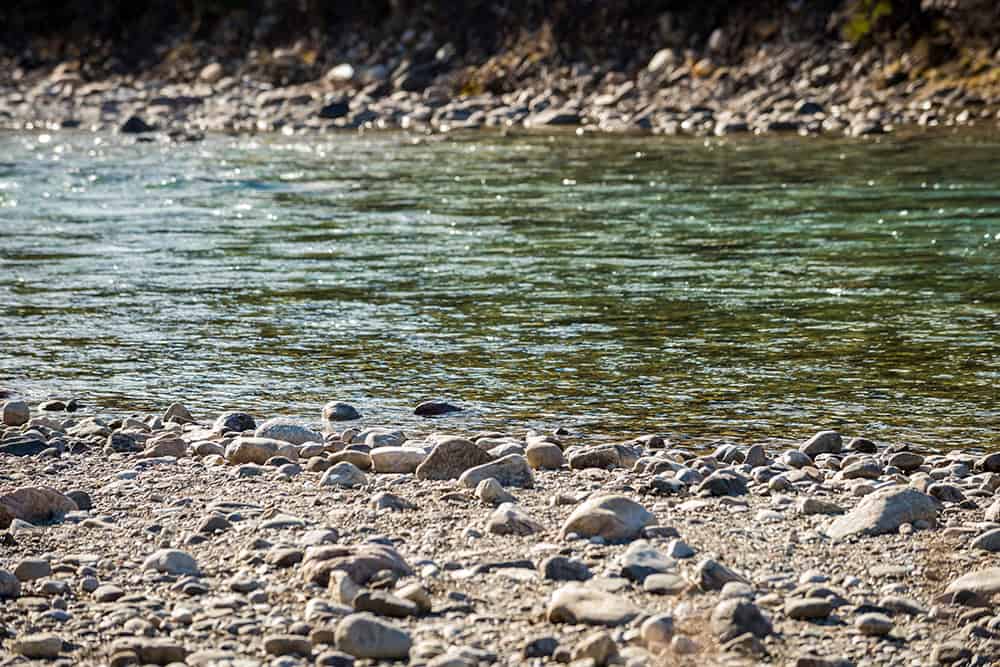
EDGE Contributes to Rare Freshwater Mussel Discovery in Tennessee
EDGE contributed to a significant freshwater mussel discovery in Tennessee, documented in a newly published study in the journal Southeastern Naturalist Notes. EDGE team member David Foltz co-authored the study alongside a researcher from the University of Tennessee and a retired Tennessee Wildlife Resources Agency biologist, detailing the discovery of both the Salamander Mussel and Spectaclecase in the Buffalo River.
First Known Live Salamander Mussels Documented in Tennessee
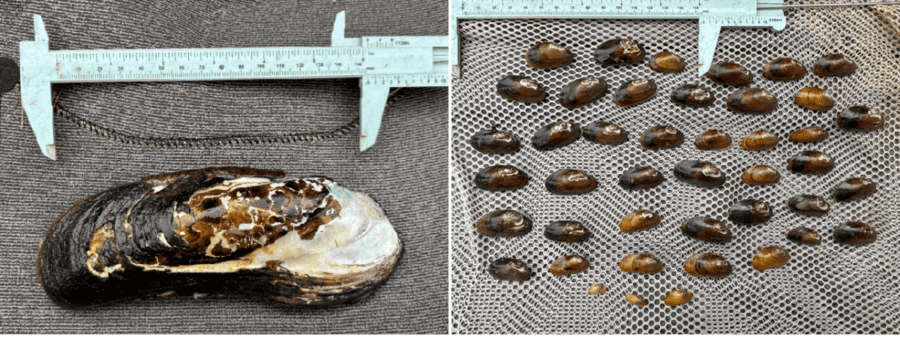
During field investigations in a deep pool of the lower Buffalo River, the research team identified the first known live Salamander Mussels in the state. Prior to this discovery, the species had only been recorded in Tennessee as dead shells, with records dating from the mid-1800s through as recently as 2017, and no live individuals had ever been confirmed in the state. The survey documented 76 live Salamander Mussels, along with evidence of recruitment, indicating an established, reproducing population rather than a handful of isolated individuals. The Salamander Mussel has a unique life history, relying on the Common Mudpuppy salamander as its only known host species, and is currently proposed for listing as endangered under the Endangered Species Act.
A Rare Spectaclecase Discovery in the Duck River Drainage
Alongside the Salamander Mussels, researchers found a live Spectaclecase, a federally endangered mussel species not observed alive in the Duck River drainage in approximately 25 years. This represents the first live Spectaclecase collected in the Buffalo River and only the third known live occurrence in the broader region in recent decades.
Significance of the Freshwater Mussel Discovery for Tennessee
These findings are particularly notable given Tennessee is among the most extensively studied regions for freshwater mussels, making new discoveries increasingly rare. The results highlight the importance of targeted fieldwork and specialized survey techniques, including SCUBA diving equipment, in identifying rare and protected species that may go undetected using conventional survey methods. The study’s authors recommend future underwater surveys in similar limestone bluff habitat throughout the Buffalo River and other Tennessee waterways to determine whether additional populations of these two species exist.
For #FurtherInsight, read the full publication here.
Dinkins, G.R., D.A. Foltz, and B.R. Swiney. 2026. Discovery of the Salamander Mussel (Simpsonaias ambigua) and Spectaclecase (Cumberlandia monodonta) in the Buffalo River, Tennessee. Southeastern Naturalist Notes 25(1):N10–N16. © Eagle Hill Institute. Reproduction or distribution beyond personal use prohibited without written permission from Eagle Hill Institute.

