
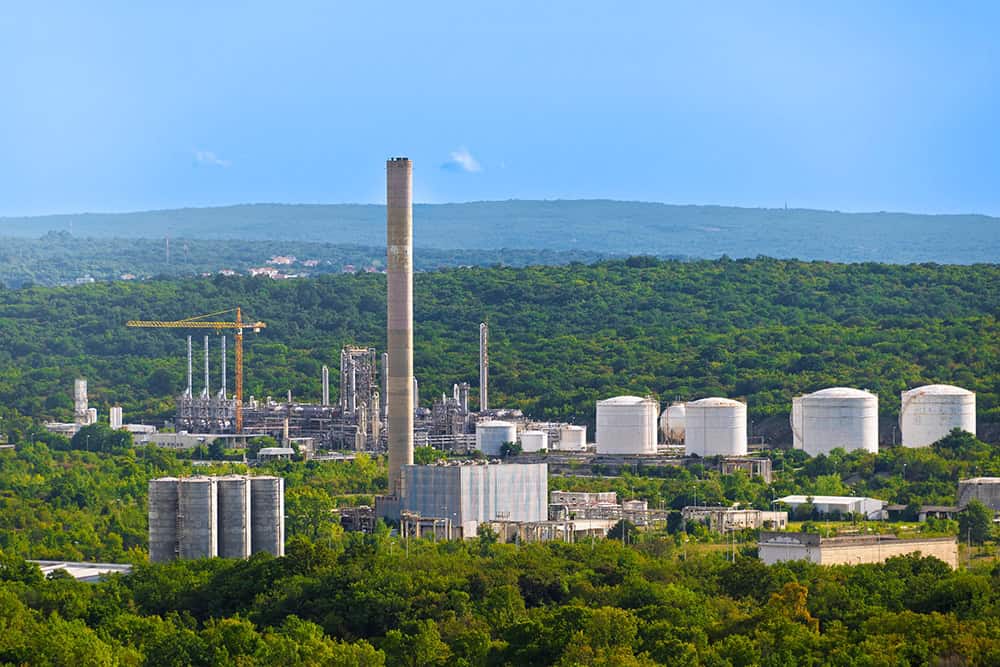
In an era of increasing environmental awareness, it is essential for businesses to monitor and manage their environmental impact. Two critical components of this process are EPCRA TRI reporting and Pollution Prevention Planning. These initiatives help companies identify, quantify, and reduce the release of toxic chemicals into the environment, promoting sustainability and safeguarding public health. In this blog post, we will explore the basics of EPCRA TRI reporting and Pollution Prevention Planning.
EPCRA TRI Reporting
The Emergency Planning and Community Right-to-Know Act (EPCRA) was enacted in 1986 to enhance the community’s knowledge of potentially hazardous materials stored or used by nearby industries. The Toxics Release Inventory (TRI) program, a part of EPCRA, requires certain facilities to report annually on the release and waste management of over 650 toxic chemicals.
The purpose of EPCRA TRI reporting is twofold. First, it provides transparency to local communities, allowing them to access information about potential chemical hazards and make informed decisions. Second, it enables regulatory agencies to assess the environmental impact of specific industries and develop strategies to reduce pollution.
Covered facilities, such as manufacturing plants, fiberglass operations, refineries, and mining operations, that have 10 or more full-time equivalent employees and use toxic chemicals above reportable threshold quantities must submit either Form A or Form R by July 1 each year.
There are two forms that may be submitted: Form A and Form R. Form A is a simplified form that includes limited information, such as facility information and chemical identification. Form R is the more detailed form; it identifies the chemical and includes the quantities released into air, water, and land, as well as the quantities of chemicals transferred off-site for disposal.
By analyzing this data, regulators, researchers, and the public gain insight into pollution trends, identify areas of concern, and develop strategies for pollution prevention and risk reduction.
Pollution Prevention Planning
Pollution Prevention (P2) Planning is a proactive approach that focuses on minimizing or eliminating the generation of pollutants at their source. P2 Planning complements EPCRA TRI reporting by encouraging facilities to assess their operations, identify opportunities for pollution prevention, and implement strategies to reduce or eliminate toxic releases.
The key objective of Pollution Prevention Planning is to integrate pollution prevention practices into a facility’s operations, rather than relying solely on end-of-pipe treatment or waste management. By implementing P2 measures, companies can reduce environmental impacts, save resources, improve operational efficiency, and enhance their public image.
In Texas, Pollution Prevention Plans (P2 Plan) are mandatory for facilities that meet one of the following criteria;
- Large Quantity Generator (LQG) of hazardous waste (generates more than 2,200 pounds of hazardous waste per month)
- Small Quantity Generator (SQG) of hazardous waste (generates more than 220 pounds but less than 2,200 pounds of hazardous waste per month), or
- TRI Form R reporter.
There are two major parts of the P2 Plan: the initial P2 Plan with the Executive Summary, and Annual Progress Report(APR). The initial P2 Plan is due within 90 days of the facility’s first Annual Waste Summary submission (due March 1 every year) or submission of a TRI Form R (due July 1 every year). The Executive Summary includes facility information, a description of the waste and amount generated, and the TRI chemicals and the amount released or transferred for the reporting year.
For facilities with a P2 Plan, an APR must be submitted by July 1 each year, except for SQGs that did not report on a TRI Form R.
Lastly, the P2 Plan must be renewed five years after the initial plan, by January 1 of the first year in the new plan. Failure to have a P2 Plan in place or failure to submit an APR is considered a violation.
The Pollution Prevention Planning process typically involves the following steps:
- Assessment: Facilities analyze their operations, identify potential pollution sources, and assess the associated risks.
- Goal Setting: Specific pollution prevention goals are established, which may include reducing the use of toxic substances, improving energy efficiency, or minimizing waste generation.
- Strategies and Implementation: Appropriate pollution prevention strategies are developed and implemented. This may involve process modifications, adopting cleaner technologies, implementing recycling programs, or employee training on best practices.
- Monitoring and Evaluation: Facilities track their progress towards pollution prevention goals, measure the effectiveness of implemented strategies, and make necessary adjustments to optimize outcomes.
Benefits of EPCRA TRI Reporting and Pollution Prevention Planning
EPCRA TRI reporting and Pollution Prevention Planning offer several benefits to both businesses and the environment:
- Enhanced Community Awareness: EPCRA TRI reporting provides communities with valuable information about potentially hazardous chemicals in their vicinity, enabling them to make informed decisions about their safety and well-being.
- Regulatory Compliance: Complying with EPCRA TRI reporting requirements ensures that businesses meet their legal obligations, avoiding penalties and maintaining a positive reputation.
- Pollution Reduction: Pollution Prevention Planning helps companies reduce or eliminate toxic releases, minimizing their environmental footprint and protecting the health of surrounding communities.
- Cost Savings: Implementing pollution prevention strategies can lead to significant cost savings by reducing waste generation, optimizing resource utilization, and improving operational efficiency.
- Improved Corporate Social Responsibility: By actively participating in EPCRA TRI reporting and Pollution Prevention Planning, companies demonstrate their commitment to environmental stewardship and social responsibility, positively influencing their brand image.
EPCRA TRI reporting and Pollution Prevention Planning are essential tools for businesses committed to minimizing their environmental impact. These initiatives promote transparency, empower communities, and enable companies to adopt pollution prevention strategies, ultimately creating a safer and more sustainable future. By actively participating in these programs, businesses can not only comply with regulations but also gain a competitive edge by demonstrating their commitment to environmental responsibility.

