
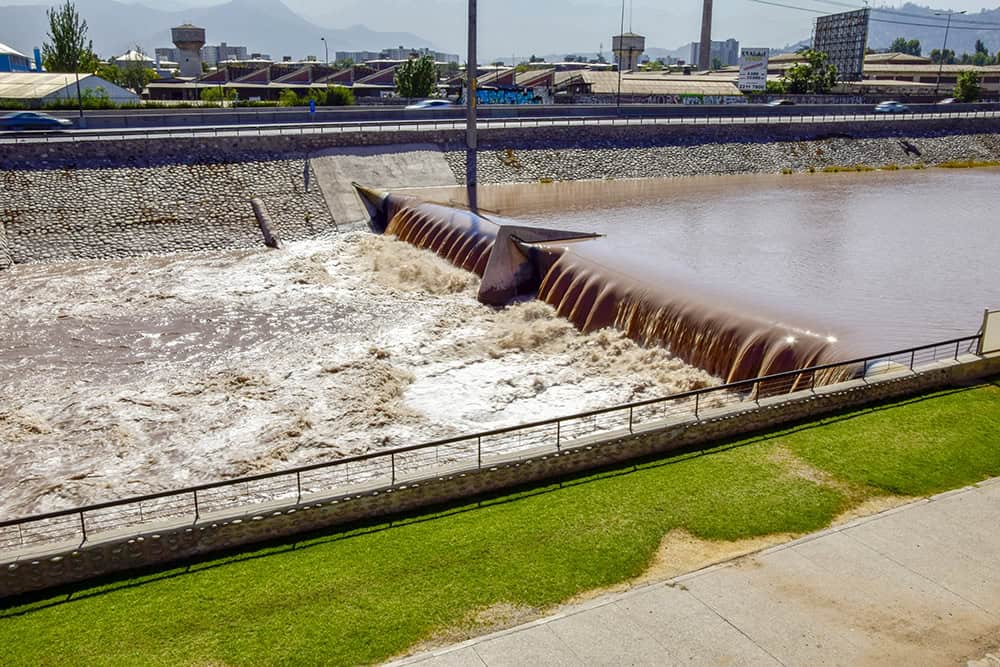
The 2026 MSGP renewal will require action from all industrial operators with stormwater coverage. Facilities that miss the renewal window could lose coverage for routine industrial stormwater discharges.
The Texas Commission on Environmental Quality (TCEQ) is in the process of renewing the Texas Pollutant Discharge Elimination System Multi-Sector General Permit (MSGP) for industrial stormwater discharges, TXR050000. The current MSGP is scheduled to expire on August 14, 2026, and facilities currently covered under the permit should be prepared to take action shortly after the renewed permit becomes effective.
MSGP Renewal Timeline and Requirements
Existing permittees are expected to have a 90-day renewal period (ending November 12, 2026) to submit updated applications and maintain uninterrupted stormwater coverage. Facilities operating under a Notice of Intent (NOI) or No Exposure Certification (NEC) should not assume their current authorization will automatically continue through the next permit term. Failure to submit the required renewal application within the renewal window could result in a lapse in coverage and create potential compliance gap for otherwise routine stormwater discharges.
Key Changes in the Draft 2026 MSGP
The proposed 2026 MSGP includes several operational changes that should be reviewed before renewal.
Substantially Similar Outfalls
Facilities should confirm whether any outfalls currently treated as “substantially similar” remain eligible for that approach, because substantially similar outfalls may not be used for certain water-quality monitoring requirements. This may require additional outfall-specific sampling or documentation where stormwater discharges to impaired waters or waters with applicable TMDLs.
Oil and Gas Facility Exemption
The draft permit adds or clarifies language related to oil and gas exemptions, including stormwater discharges associated with exploration, production, processing, treatment operations, or transmission facilities that may be exempt unless the activity has had a reportable-quantity stormwater discharge or contributes to a water-quality-standard violation. Facilities with oil and gas activities should carefully document whether the exemption applies or whether permit coverage is still required.
Radioactive Waste Sites
The draft permit addresses high-level radioactive waste by defining the term and excluding certain NRC-licensed disposal or storage facilities from coverage under the MSGP. Although this provision will not apply to most industrial sites, facilities should be prepared to confirm that their operations do not fall within this excluded category.
Administrative and Compliance Updates
The proposed 2026 MSGP also includes several administrative and compliance updates that may affect routine stormwater programs. Facilities should expect to review and update their Stormwater Pollution Prevention Plan, site maps, pollutant-source inventories, outfall information, inspection procedures, monitoring requirements, and facility contact information.
The draft permit also clarifies that application-related documents, including NOI, NEC, Notices of Change (NOC), and Notices of Termination (NOT), must be provided to applicable municipal separate storm sewer system (MS4) operators when stormwater discharges pass through an MS4. Facilities should confirm drainage pathways now, including private ditches, roadside conveyances, municipal drainage systems, and ultimate receiving waters, so renewal documents can be prepared accurately and submitted on time.
How to Prepare Before the Renewal Deadline
Facilities should begin preparing before the final renewal deadline by:
- Confirming current authorization status
- Reviewing whether their industrial activity classifications remain accurate
- Updating SWP3 documents
- Checking inspection and monitoring records
- Identifying any unresolved corrective actions
- Confirming whether prior benchmark or water-quality results could require additional review.
Once the renewed permit is issued on August 14, 2026, the 90-day renewal window opens and facilities that wait until the end of the period may face delays in gathering documentation, resolving classification questions, or correcting outdated site information.
To avoid lapses in stormwater coverage, facilities should reach out to us for assistance with reviewing current coverage, preparing renewal applications, updating SWP3 documents, and maintaining compliance under the 2026 MSGP.

